





about the company

Rural water supply is reported to cover 63% of the rural population of Ghana (CWSA, 2012),

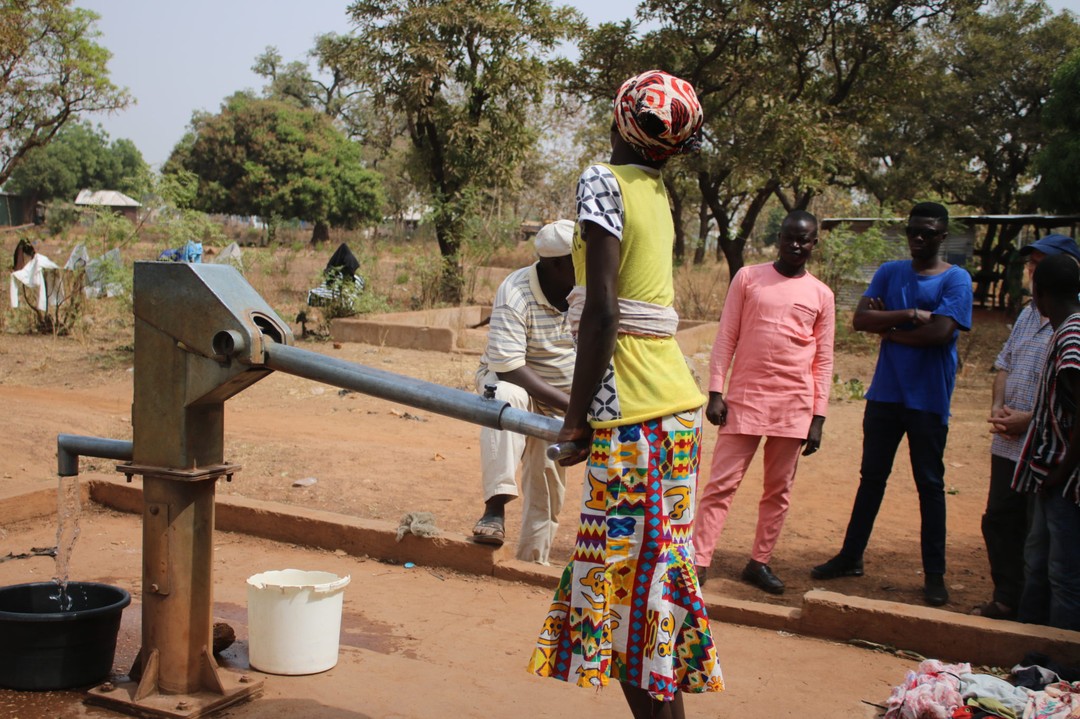
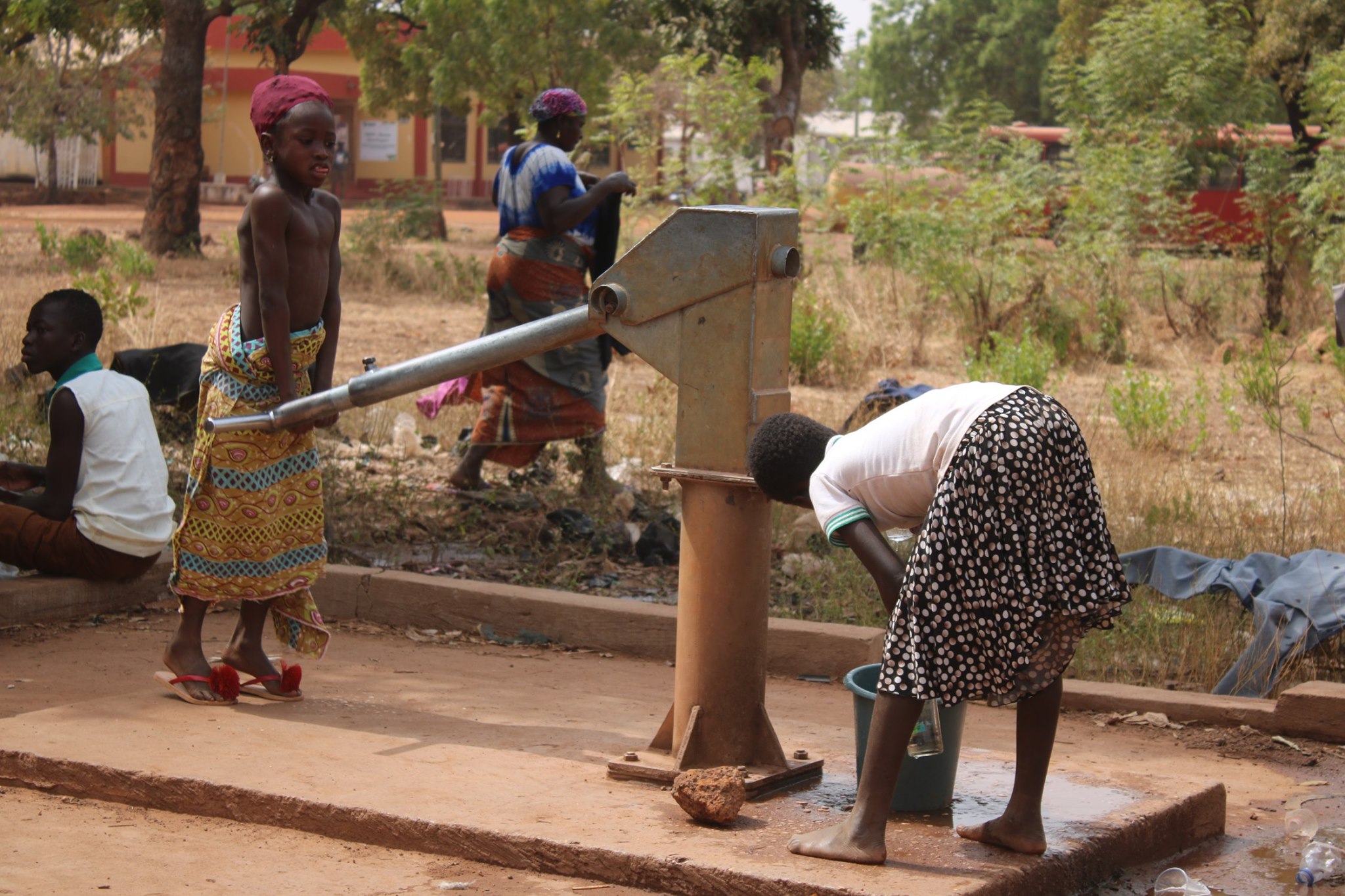
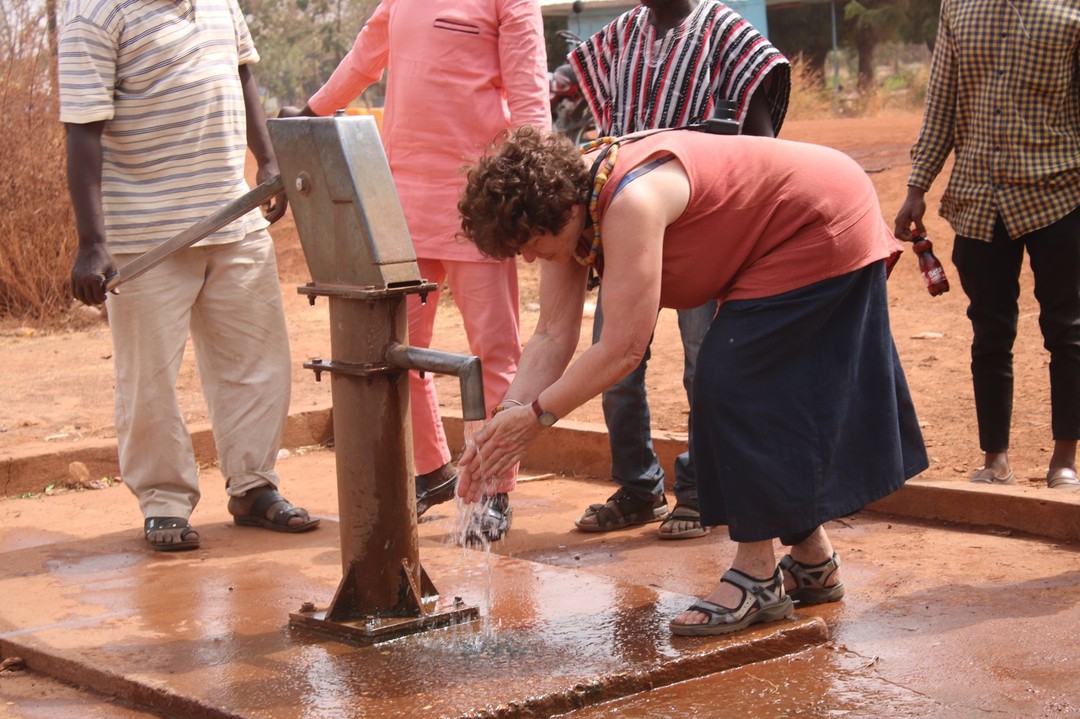
thereby putting the country on track to achieving the MDG target for water. However, behind this apparent success are a complex set of challenges. A first challenge that needs to be considered is the relatively high level of non-functionality of water facilities. Across much of Sub-Saharan Africa, a substantial proportion of water supply facilities is believed to be either not-functioning or functioning sub-optimally, as illustrated by a study that found non-functionality of rural water supply facilities to be between 30% and 40% (RWSN, 2009).

A second headline challenge is sub-standard service delivery. Even when water facilities are functional, this does not mean that they are providing a service that meets all the national norms, in terms of reliability, quality, quantity and accessibility of the service. A third challenge is the lack of conditions which need to be in place to ensure sustainable service provision over time. This includes the presence of well-performing service providers to operate and maintain the facilities and to ensure sustainable service delivery over time, as well as well-performing service authorities, responsible for monitoring, supporting and regulating these service providers. Appreciating the degree of non-functionality and sub-standard service delivery and understanding the underlying reasons, is crucial for defining appropriate actions to improve the situation. In Ghana, the exact magnitude of non-functionality, sub-standard service delivery and challenges related to the performance of service providers and service authorities, has for a long time been unclear, as data on these issues have not been systematically collected, let alone regularly monitored. Henceforth, Fix the Pump Team( FTP team) is out to find Innovative solutions to bridge the solve the chronic challenges of non-functionalities of hand pumps in northern Ghana.
our testimonials

What they’re talking about company

We’re trusted by more then
3800 satisfied & happy customers.

How we do what we do

We build the capacities of local mechanics to service handpumps.
We promote a fee paying service so the funds are able to cater for the allowances of the mechanics.
We employ IoT and smart devices in our work making it easier for us to track faulty handpumps.